
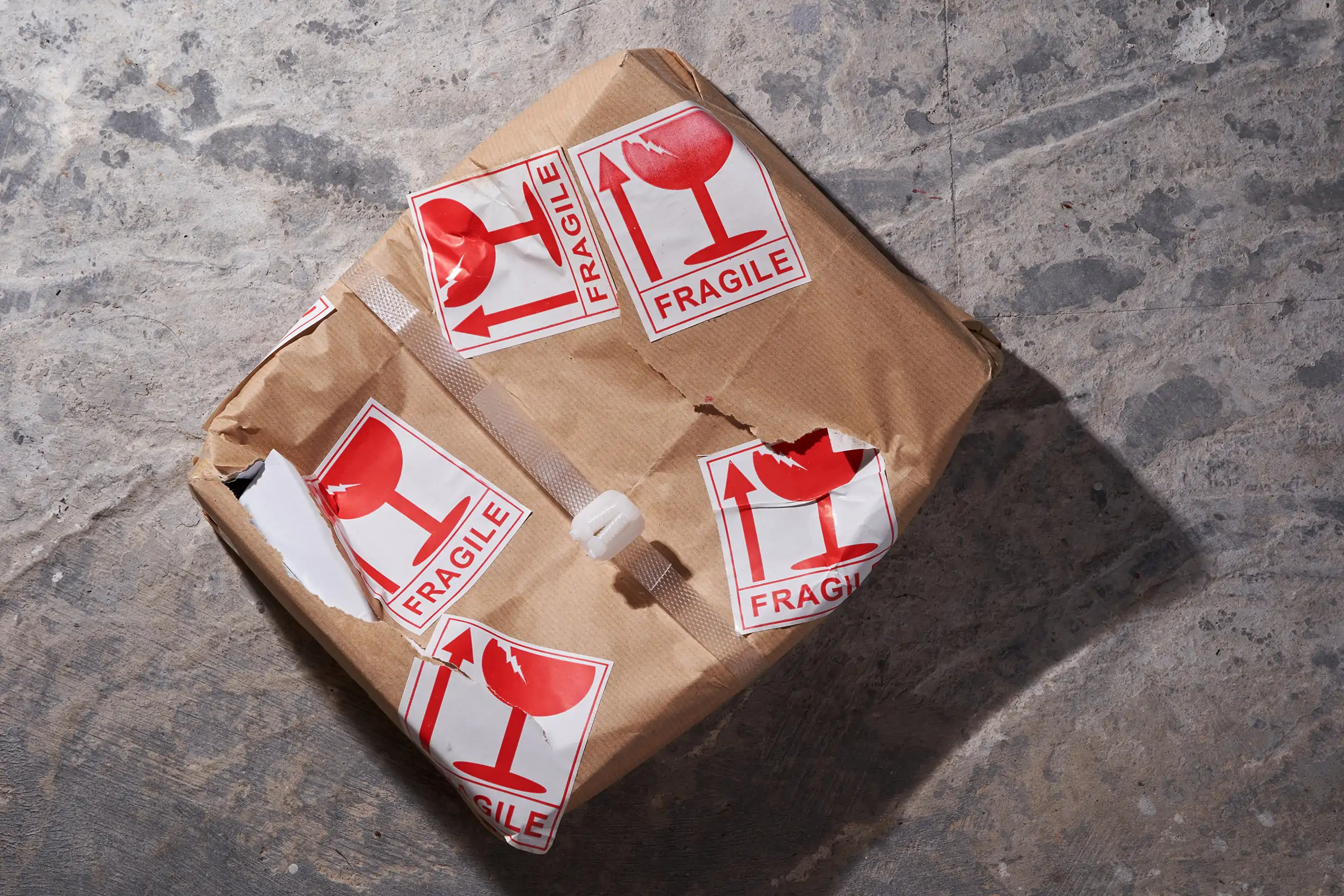
Who determines a web store's customer satisfaction?
Last updated on October 24, 2026
Back to all blogsAn online store can invest thousands of euros in marketing, an attractive website, and excellent products. But if an order arrives incorrect, damaged, or late, that investment can be jeopardized in an instant.
After all, the consumer rates the online store where they placed their order—not the fulfillment partner who processed the order or the carrier who delivered the package.
The customer sees one point of contact
For consumers, the distinction between an online store, a fulfillment partner, and a carrier is usually irrelevant. They expect their order to be delivered correctly, carefully, and on time.
If something goes wrong, it can lead to negative reviews, additional customer service issues, and a loss of trust—even when the cause is beyond the online store’s direct control.
Logistics is therefore not merely an operational expense, but also an important part of an online store's reputation.
Is the cheapest provider really the best value?
When selecting a fulfillment or 3PL (Third-Party Logistics) partner, rates understandably play an important role.
But what good is a low price per order if mistakes happen regularly, packages aren't adequately protected, or complaints aren't properly resolved?
Ultimately, the savings have to come from either the length or the width. A logistics service provider incurs costs for personnel, facilities, technology, and quality control. Anyone who consistently offers lower rates must operate more efficiently, accept lower margins, or cut certain costs.
That doesn't have to come at the expense of quality. It does, however, raise the question of how that lower price is achieved.
Furthermore, the actual costs of fulfillment involve more than just warehousing, order processing, and shipping. Replacement shipments, additional customer service, and potentially lost repeat purchases also deserve attention.
A competitive price is attractive. But ultimately, it’s the total cost and the reliability of the service that determine whether a partner is truly cost-effective.
Quality starts with receiving goods
An online store decides for itself which provider to entrust with its inventory and order processing. That decision should go beyond simply comparing quotes.
After all, quality begins right at the point of goods receipt—that is, when the goods are put into storage.
Suppose a supplier delivers ten boxes, each containing 24 products. Are these recorded as ten sales units or as 240 individual items? And do the quantities and packaging units match the data in the WMS?
A professional fulfillment or 3PL partner checks this upon receipt. If there are any questions regarding quantities, packaging units, or product details, the online store owner is contacted before the inventory is finalized.
After all, an incorrect entry during receipt can lead to inventory discrepancies, incorrect shipments, and ultimately dissatisfied customers.
Even after that, important questions remain. How are picking and packing errors prevented? What quality controls are in place? How are carriers selected? And how transparent is a logistics partner’s communication when something doesn’t go as planned?
In our previous blog post , “When Can You Call Yourself a Professional Fulfillment Company?”, we asked whether the industry would benefit from an independent quality certification.
That question is also relevant from the perspective of the online store. After all, how can you determine in advance whether a logistics partner can actually meet your expectations?
The carrier plays a part in shaping the final impression
Even when an order has been processed correctly and carefully packaged, delivery can still be disappointing.
A delayed package, a damaged shipment, or poor delivery communication can negatively impact the customer experience.
That is why it is important to focus not only on the fulfillment partner, but also on the choice of carriers and how issues are handled.
Ultimately, the consumer experiences a single purchasing process, regardless of how many parties are involved.
Who ends up paying the price?
A fulfillment company processes the order. A carrier delivers the package. But the online store is held accountable by the consumer for the promise it made.
That does not relieve logistics partners of their responsibility to ensure reliable execution. On the contrary, it underscores just how important the choice of those partners is.
If consumers ultimately rate your online store, why would you select the parties that help shape your customers’ experience based primarily on price?
A low fulfillment cost is shown on the invoice. The actual cost of a dissatisfied customer is often much harder to measure.

Ready to experience the difference with Cenfil Fulfilment?
Request a custom proposal based on your order profile. You will hear back within one business day about the possibilities and rates that suit your operation.
Monday delivery available · No startup costs · Response within one business day